
Fixing DC: food for thoughts
Or: easy to talk when it's not *your* money

In the last few weeks, I’ve been thinking about Jim Lee’s statements about manga and comparing them to Western comics in an interview with NikkeiXTrend, where he asked himself, “What is missing in Western comics, and why aren’t they able to achieve the same flavor [as manga]?”

Well, there are many answers, and they are obvious. So obvious that I think there are several reasons why... they simply cannot be done.
So read the following lines simply as a mental exercise: too much data is missing, and without sufficient data, we know that any analysis will be inaccurate.
In general, Lee is the first to talk about a “wider range of genres”. And it’s true: manga tell stories on literally any subject. When I watched Sampei’s anime as a child (Tsurikichi Sanpei in the original; manga from 1973, anime from 1980), even though I was very young, I was perfectly capable of being surprised by the fact that I was watching and becoming passionate about the adventures of a fisherman boy. And I never cared about fishing at all. The same thing happened with Captain Tsubasa (known as ‘Holly and Benji’ in Italy, manga from 1981 and anime from 1983): I never cared about soccer, but I was fascinated by it. And even though I was young and knew that ‘secret moves’ were a load of crap... I still liked it. So, being able to tell any kind of story.
But of course, it’s not just that. Manga is about characters, while in the West we are fixated on “stories” and ‘concepts’: not all best-selling manga are “true” high concepts, or are not high concepts at all. Manga’s greater care taken in character’s construction and centrality is something we tend to forget in the West, obsessed as we are with narrative structures and screenwriting manuals (which over the years, at least in Hollywood, but also in the rest of the Western world, have produced very similar, sometimes identical, and almost always predictable films).
Anything else? Well, manga storytelling is perfect for being turned into animation. And here comes the key factor: the media mix. If you want to know more, you can read Marc Steinberg’s essay Anime’s Media Mix (in Italian, Anime System, Tunuè). To put it simply, anime becomes a promotional tool and marketing vehicle for manga in all markets where the anime it is based on is released.
With one caveat: anime and manga tell the same story, with a very similar visual style.
On the other hand, when a movie or TV series based on a comic book is released in the West... have you noticed that in most cases it has nothing to do with it?
If a member of the Western audience watches a film or TV series, they will NOT find what they saw on screen in the comic book from which it is based. This is also because the transition from live action to a drawn medium is less immediate in terms of recognizability than that between anime and manga.
Another factor that may not seem relevant: equity/profit sharing. If a manga does well, the author really profits from it. If an anime (or video game, or merchandising) is made, the author really profits from it, and the IP isn’t owned permanently by some Hollywood studio. Do I really need to explain that if my earnings increase in proportion to the success of my product, I am much more motivated to give my best, whereas if the payment remains the same, honestly, why should I bother? There you go.
These are the essential elements that answer Jim Lee’s question: “What is missing in Western comics?”
But clearly Mr. Lee is talking specifically about superheroes.
- The range of genres is obviously smaller, although superhero comics are actually flexible enough that certain characters could have a take that explicitly references certain genres (such as science fiction, fantasy, and noir).
- As for the psychological depth of the characters, I suppose it really depends on the individual author.
- On the media mix... eh. The Japanese model is there to be copied slavishly. In the West, live action is preferred. Will we ever be able to get an audience as large as that of live action to appreciate well-made cartoons that are faithful to the comics? Clearly, I don’t have the answer, and the money to invest isn’t mine, but if you want to start a trend, it’s worth a try.
- equity/profit sharing: I don’t know anything about DC (or Marvel) contracts, so I simply have no idea whether it’s feasible or not. In recent years, this hasn’t seemed to be the direction things are going in. But, as I said, I really don’t know about it and I won’t comment on it.
And what about the rest?
There are two things superheroes could learn: the first is accessibility.
The second is the idea of telling a story, even a long one, with a beginning and an end.
The evils of superhero comics are continuity and crossovers.
The former damages accessibility. It’s such an obvious concept, plain for all to see, that it is often overlooked.
I have met many people who wanted to read superhero comics, but except for a few DC miniseries collected in volumes, the general reaction has always been: “I don’t want to read something that I feel has already started and I’m missing pieces of.”
That’s why the Absolute line has worked so far.
That’s why Marvel’s Ultimate line has stopped working.
To attract readers, you need new stories that start from scratch, without the slightest burden of continuity, accessible to anyone, understandable to anyone.
But then comes the second part. Does anyone want to collect these stories in volumes (whether paperback or hardcover) to read the complete saga? Don’t do crossovers.
Keep them for the “original” universe.
If I buy One Piece or Jujutsu Kaisen or Attack on Titan, I want to read that. Period. I don’t want Naruto to appear in volume 15.
Instead, Marvel’s Ultimate universe has often crossed over its titles, to the point of bringing together the Ultimate universe and the original Marvel universe, and even Absolute DC crossed over Batman and Wonder Woman.
No.
Give those who don’t go to comic book stores but to bookstores the chance to “see” a long row of paperbacks clearly labeled “Absolute Batman 1, 2, 3, 4..”, and let them buy them without having to buy comics that also feature other characters they don’t care about.
Above all, you need to think about a definitive ending.
The success of Absolute Batman is wonderful news for the industry, and we hope it lasts a VERY long time. However, when it runs out, don’t let the series die by changing the creative team and keeping a dying series on life support with stories that gradually deteriorate in quality.
Keep the original creative team on board until the end and give readers an explosive finale.
The run will remain, and when readers want to read Batman (or Superman, or Wonder Woman), they will know that there is a series of clearly numbered volumes that tell the entire saga from beginning to end. A satisfying reading experience that requires readers to read only what has caught their attention and interests them.
And when that run ends, we’ll start over with a new Absolute or Ultimate or Extreme or whatever, because society will have changed and we’ll need a new take on that specific superhero.
Just look at how well The Walking Dead and Invincible volumes sell. Driven respectively by the TV series (incredibly faithful to the comic) and the cartoon (very faithful to the comic): clear title, progressive numbering, no need to buy anything else.
If you can’t bring in the manga variety of genres, storytelling and media mix that the Japanese excel at, you can at least bring in the narrative structure without crossovers and with a clear and defined (and definitive) ending.
Some might say I’m stating the obvious. I know. Have I “fixed” DC Comics? Definitely not. It’s too easy to talk with partial information and from the outside, without having anything at stake and not being personally involved. I repeat: pure mental exercise.
In the real world, I fear that Mr. Lee, in his role as President, Publisher, and Chief Creative Officer of DC Comics (while also drawing Hush 2), is experiencing a very... important moment, given that DC Comics is owned by Warner Bros. We all know that the purchase by Netflix will change things a lot over there in terms of film and TV series production, and it’s hard to imagine exactly what will happen to publishing (and in the past, in similar situations, we’ve seen some horrible things happen): so a huge good luck to him and everyone at DC for what I fear is (to use a euphemism) a particularly complicated time.
- Recommended reading of the week: P.T.S.D. by Guillaume Singelin.
In English and French.
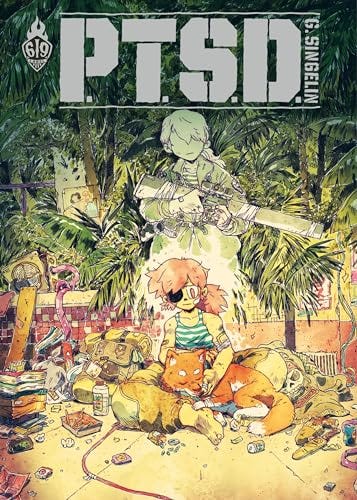
A style clearly inspired by Masamune Shirow’s more deformed, but also more expressive, work. There is a strange contrast between the softness of the characters’ representation and the absolutely raw story that is told. A future with a favela-chic aesthetic, which is something new, or at least very fresh, in the now stereotypical representation of science fiction in comics, films, and television. After all, there is less and less science fiction. If I had to look for a young artist today who is able to 1) draw science fiction and 2) do so in a personal way, I think I would struggle.
- Also: FIVE YEARS of Animation Obsessive. Follow them. Super interesting.
Nelle ultime settimane mi è capitato di pensare alle dichiarazioni di Jim Lee che ha parlato di manga e paragonandoli ai fumetti occidentali in un’intervista a NikkeiXTrend si è chiesto: “What is missing in Western comics, and why aren’t they able to achieve the same flavor?”

Beh, le risposte sono tante e sono ovvie. Talmente ovvie che penso esistano diversi motivi per cui… semplicemente non si possono fare.
Quindi leggete le prossime righe semplicemente come un esercizio mentale: mancano troppi dati, e senza dati a sufficienza, sappiamo che ogni analisi risulta imprecisa.
In generale, Lee è il primo a parlare di gamma più ampia di generi. Ed è vero: i manga raccontano storie, letteralmente, su qualsiasi argomento. Quando da bambino guardai l’anime di Sampei (Tsurikichi Sanpei in originale; manga del 1973, anime del 1980), anche se ero molto piccolo, fui perfettamente in grado di sorprendermi per il fatto che stavo guardando e mi stavo appassionando alle avventure di un ragazzo pescatore. E della pesca non mi era mai fregato NULLA. Stessa cosa per Captain Tsubasa (da noi “Holly e Benji”, manga del 1981 e anime del 1983): mai fregato nulla di calcio, ma quello mi appassionava. E anche se ero piccolo e sapvo che “i colpi segreti” erano una serie di stronzate… mi piaceva lo stesso. Raccontare qualsiasi cosa, quindi.
Ma ovviamente non è solo quello. I manga raccontano personaggi, in occidente siamo fissati con “le storie” e “i concept”: tra i manga bestseller non tutti sono “veri” high concept o non lo sono per niente. La maggior cura dei manga nella costruzione del personaggio e della sua centralità è qualcosa che in occidente tendiamo a dimenticarci, ossessionati come siamo da strutture narrative e manuali di sceneggiatura (che negli anni, almeno a Hollywood, ma poi anche nel resto d’Occidente, hanno prodotto film molto simili, a volte uguali, quasi sempre prevedibili).
Altro? Beh, lo storytelling manga è perfetto per essere trasposto in animazione. E qui interviene il fattore fondamentale: il media mix. Se volete saperne di più potete leggere il saggio Anime’s media mix di Marc Steinberg (in italiano “Anime System”, Tunuè). Semplificando brutalmente, l’anime diventa strumento promozionale e vettore di marketing per il manga in tutti i mercati in cui l’anime da cui è tratto arriva.
Con un’avvertenza: l’anime e il manga raccontano la stessa storia, con uno stile visivo molto simile.
Invece quando esce un film o una serie tv tratta da un fumetto in occidente… avete notato che nella maggior parte dei casi non c’entra nulla?
Se un membro dell’audience occidentale guarda un film o una serie tv, NON ritroverà nel fumetto da cui è tratto quel che ha visto sullo schermo. Anche perché il passaggio da live action a disegno è meno immediato a livello riconoscibilità di quello tra anime e manga.
Altro fattore che potrebbe non sembrare rilevante: equity/profit sharing. Se un manga va bene, l’autore ci guadagna davvero. Se si fa un anime (o un videogioco, o merchandising), l’autore ci guadagna davvero, e non è che l’IP va in mano perennemente a qualche studio Hollywoodiano. Devo davvero spiegare che se i miei guadagni aumentano in modo proporzionale al successo del mio prodotto, sono molto più motivato a dare il meglio, mentre se il pagamento resta sempre lo stesso, onestamente che mi frega di farmi lo sbattimento? Ecco.
Questi gli elementi essenziali che rispondono alla domanda di Jim Lee: cosa manca nei fumetti occidentali?
Ma chiaramente Mr. Lee sta parlando di supereroi.
- Il range di generi è ovviamente inferiore, anche se in realtà il fumetto supereroistico è abbastanza flessibile che certi personaggi potrebbero avere un take che richiami esplicitamente certi generi (come fantascienza, fantasy e noir).
- Per quanto riguarda l’approfondimento psicologico dei personaggi, suppongo dipenda davvero dal singolo autore.
- Sul media mix… eh. Il modello giapponese è lì da copiare pedissequamente. In Occidente si prediligono i live action. Riusciremo mai a far apprezzare a un pubblico grande quanto quello dei live action dei cartoni animati ben fatti e fedeli ai fumetti? Chiaramente non ho la risposta, e i soldi da investire non sono miei, ma se si vuole far iniziare un trend, il tentativo potrebbe essere fatto.
- equity/profit sharing: non so nulla dei contratti DC (o Marvel), quindi non ho idea se sia fattibile o meno, semplicemente. Negli ultimi anni, non mi è parsa questa la direzione. Ma appunto, davvero non so e non mi pronuncio al riguardo.
E per quanto riguarda il resto? Una cosa i supereroi potrebbero impararla: la prima è l’accessibilità. La seconda, l’idea di raccontare una storia, anche lunga, con un inizio e una fine.
I mali del fumetto supereroistico sono la continuity e i crossover.
La prima danneggia appunto l’accessibilità. Un concetto così ovvio e sotto gli occhi di tutti che spesso viene trascurato.
Ho conosciuto molte persone che volevano leggere supereroi, ma tranne qualche miniserie DC raccolta in volume, la reazione generale è sempre stata: “Non mi va di leggere qualcosa di cui ho l’impressione sia già iniziata e mi manchino dei pezzi.”
Per questo la linea Absolute finora ha funzionato.
Per questo la linea Ultimate di Marvel ha smesso di funzionare.
Per attirare lettori servono storie nuove, che partano da zero, senza il minimo fardello di continuity, accessibili da chiunque, comprensibili per chiunque.
Ma poi arriva la seconda parte. Qualcuno vuole recuperare queste storie in volume (che siano paperback o hardcover), per leggersi una saga completa? Non fate crossover.
Teneteli per l’universo “originale”.
Se compro One Piece o Jujutsu Kaisen o Attack on Titan, voglio leggere quello. Punto. Non voglio che al volume 15 compaia Naruto.
Invece l’universo Ultimate della Marvel ha fatto spesso incrociare i propri titoli, fino a fare incontrare l’universo Ultimate e quello Marvel originale e anche l’Absolute DC ha fatto incontrare Batman e Wonder Woman.
No.
Lasciate la possibilità a chi non va in fumetteria ma in libreria di “vedere” una lunga fila di paperback dove c’è scritto chiaramente “Absolute Batman 1, 2, 3, 4…” e fateglieli comprare senza che debbano comprare albi in cui compaiono anche altri personaggi di cui a loro non frega nulla.
Soprattutto, bisogna pensare a un finale definitivo.
Il successo di Absolute Batman è una splendida notizia per il settore, e speriamo duri MOLTO a lungo. Quando però questo si esaurirà, non lasciate morire la testata cambiando team creativo e tenendo un moribondo in animazione forzata con storie che mano a mano peggiorano in qualità.
Tenete a bordo il team creativo originale fino alla fine e regalate un finale esplosivo ai lettori.
La run rimarrà, e quando i lettori vorranno leggersi Batman (o Superman, o Wonder Woman) sapranno che esistono una serie di volumi, chiaramente numerati, che ne raccontano l’intera saga dall’inizio alla fine. Un’esperienza di lettura soddisfacente e che richiede di leggere solo quello che ha attirato l’attenzione e che interessa.
E quando quella run finirà, si partirà da capo con un nuovo Absolute o Ultimate o Extreme o quel che è, perché sarà cambiata la società e ci sarà bisogno di un nuovo take su quello specifico supereroe.
Basta guardare quanto vendono i volumi di The Walking Dead e Invincibile. Spinti rispettivamente dalla serie tv (nei limiti, incredibilmente fedele al fumetto) e dal cartone animato (molto fedele al fumetto): titolo chiaro, numerazione progressiva, nessun bisogno di comprare altro.
Se non si riesce a portare lo storytelling manga e il media mix in cui i Giapponesi eccellono, si può almeno portare la struttura narrativa senza crossover e con un finale chiaro e definito (e definitivo).
Qualcuno mi dirà che ho scoperto l’acqua calda. Lo so. Ho “aggiustato” DC Comics? Sicuramente no. Troppo facile parlare con informazioni parziali e dall’esterno, senza avere niente in gioco e non essere coinvolto in prima persona. Ripeto: puro esercizio mentale.
Nel mondo reale, temo che Mr. Lee, nel suo ruolo di Presidente, Publisher, e Chief Creative Officer di DC Comics (mentre sta anche disegnando Hush 2) stia vivendo un momento molto… importante, dato che DC Comics è di proprietà Warner Bros: sappiamo tutti che l’acquisto da parte di Netflix cambierà parecchio le cose da quelle parti per quanto riguarda la produzione di film e serie tv ed è difficile immaginare cosa esattamente succederà al publishing (e in passato, in situazioni simili, abbiamo visto succedere anche cose orribili): quindi un enorme in bocca a lupo a lui e tutta la DC per questo momento che temo sia (uso un eufemismo) particolarmente complicato.
- Consiglio di lettura della settimana: P.T.S.D. di Guillaume Singelin.
In inglese e francese.
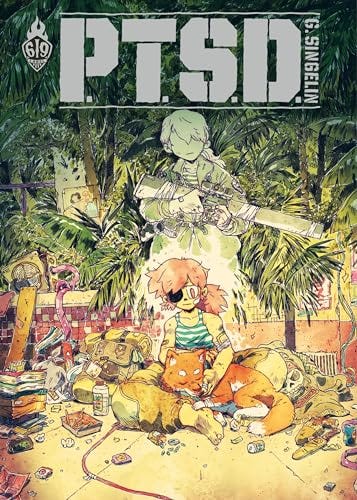
Un tratto chiaramente ispirato al Masamune Shirow più deformed, ma anche più espressivo. Uno strano contrasto tra morbidezza nella rappresentazione dei personaggi e la storia assolutamente cruda che viene raccontata. Futuro con estetica favela-chic, che è qualcosa se non di nuovo, almeno di molto fresco nella rappresentazione ormai stereotipata della fantascienza a fumetti, cinematografica e televisiva. Del resto di fantascienza ce n’è sempre meno. Se oggi dovessi cercare un/a giovane artista in grado di 1) disegnare fantascienza e 2) in modo personale, penso che farei fatica.
- Ah: CINQUE ANNI di Animation Obsessive. Seguiteli. Super interessanti.
Ho sempre pensato che il personaggio facesse la storia...