
Legacy

“Le soluzioni di Goddard per l’adattamento sono, in effetti, tutte geniali. È un livello altissimo. Anche quando le sue correzioni sono aggiuntive, lo sono solo leggermente, guidate visivamente e fluide come la seta. […] Se siete scrittori, leggete il libro e poi guardate il film e studiate le scelte di Goddard: imparerete qualcosa.” (dalla newsletter di Warren Ellis)
Ed è anche è il mio consiglio: leggete/ascoltate il romanzo Project: Hail Mary e poi guardate il film per capire come si scrive un adattamento eccezionale: e a questo riguardo, le scelte di Goddard sono davvero geniali come i momenti comici e la creazione di un arco emotivo del personaggio principale (che incredibilmente non tradisce il materiale originale ma gli conferisce una profondità che nel romanzo NON c’è). È divertente, è commovente, è LUNGO, ma se non avete un cuore di pietra (gioco di parole voluto), piangerete a dirotto.
Mi ha fatto anche pensare alle storie che sto scrivendo in questo momento. Continuo a percorrere un sentiero oscuro e tetro, ma sentivo il bisogno di guardare qualcosa del genere. Qualcosa che mi facesse sorridere, qualcosa che mi facesse stare bene, qualcosa che mi suscitasse empatia, qualcosa che mi desse speranza.
Questo invece è un film semplice (se siete lettori di fantascienza intuite come si risolverà la trama principale sia a un terzo del film che del romanzo), ma vedo molti cadere nel solito equivoco che la semplicità sia banalità. È un film che doveva uscire adesso, ed è assolutamente in linea con lo Zeitgeist. Paragoni con altri film di fantascienza che si suppone essere maggiormente “profondi” non ha minimamente senso. Un’opera è figlia del proprio tempo, e anche un grande film o romanzo o fumetto che diventa una pietra miliare, riproposto in un altro periodo, non avrebbe lo stesso impatto. È talmente ovvio che sono stupito di doverlo scrivere.
Bizzarro quindi che mi sia capitato tra le mani in biblioteca L’adattamento cinematografico non esiste di Silvia Vacirca (Mimesis; sorry, lettori internazionali, c’è solo in italiano).
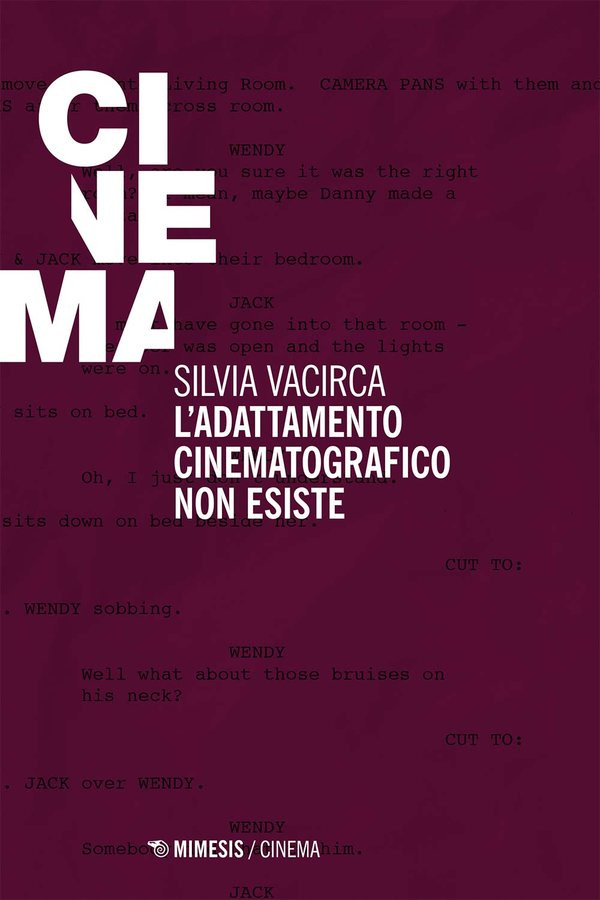
Condivido parzialmente la posizione di Vacirca, anche se la mia personale conclusione è che si dovrebbe parlare di “interpretazione” e non di “adattamento” del materiale di origine e che quindi anche il concetto di fedeltà dovrebbe essere subordinato a questa definizione.
In questo momento di auto-riflessione, è capitato che ci lasciassero sia Gerry Conway che Len Strazewski. Sapevo della carriera di sceneggiatore di cartoni animati e telefilm di Conway, non sapevo della carriera accademica di Strazewski. Pare che fosse un professore molto amato. 73 e 71 anni. Questo luglio faccio 50 anni. La vita media in Europa e in Italia è più alta che negli USA, ma -parole del mio cardiologo – la mia cardiopatia è molto aggressiva. Forse non mi resta molto tempo e timbrerò il cartellino tra circa 20 anni? Bah, in fondo non lo sa nessuno. Inutile pensarci. Anche se ogni tanto si pensa alla propria legacy (mi piacerebbe usare un termine italiano ma niente mi sembra più chiaro di “legacy”), e ho serenamente accettato da tempo che verrò dimenticato anche già da vivo. Non è importante.
Legacy: ci ho pensato dopo avere guardato un reel di Mehdi Hasan che rifletteva sulla legacy di Chomsky dopo che sono emersi i suoi legami con Epstein.
Ci ho pensato quando ho letto la news che è in produzione un film basato/ispirato al fumetto di Tarantino (e Matt Wagner) sull’incontro/team up tra Django e Zorro. E penso che quel famoso decimo film Tarantino non lo farà mai e in futuro si distinguerà tra il Tarantino della Golden Age Hollywoodiana (1992-2019) e i suoi nove film, e il Tarantino “minore” dopo l’abbandono di Hollywood, che si dedica a saggistica (Cinema Speculation, che è un grandissimo libro), sceneggiatura e produzione di cinema (The Adventures of Cliff Booth, Django/Zorro), regia e sceneggiatura di serie tv (la miniserie gangster a cui sta lavorando con Stallone) e scrittura teatrale (The Popinjay Cavalier, debutto previsto a Londra nel 2027). Non è importante.
Lettura obbligatoria: Making Art and Making a Living di Mason Curey. Testimonianze su come artisti contemporanei hanno conciliato lavoro creativo e sostentamento economico.
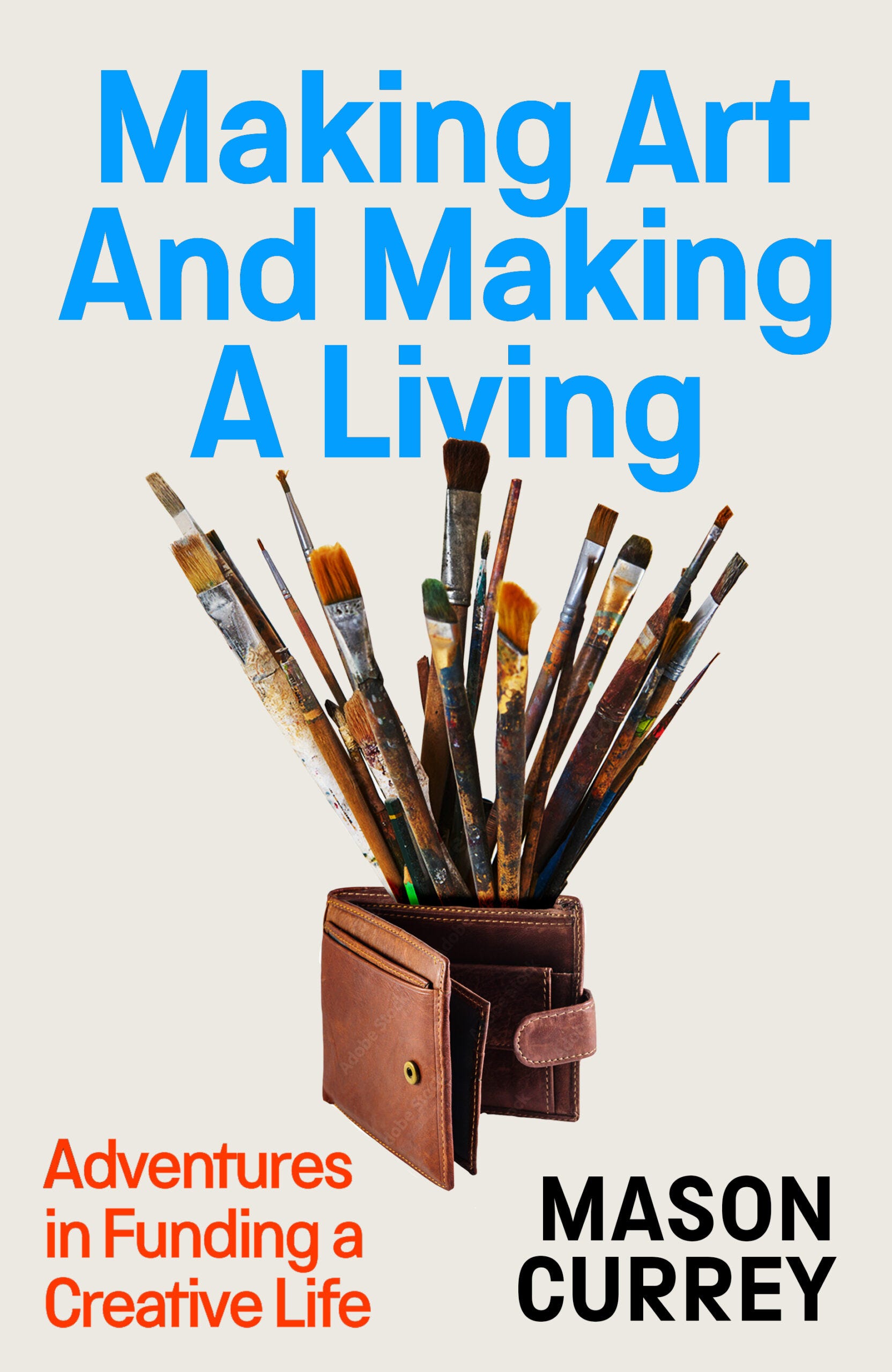
C’è di tutto: chi ha avuto la fortuna di avere eredità (e come Fernando Pessoa le ha sperperate), chi scroccava soldi in famiglia, chi si faceva mantenere da mogli, madri, fratelli, chi faceva lavori strani, chi faceva lavori normalissimi, chi rubava, chi partecipava a quiz a premi in tv.
È un libro stranamente confortante. Mi sono spesso ripetuto che non dovevo essere troppo autoindulgente nel giudicare la mia carriera. Ma forse bisogna ricordare a chi di noi tenta di avere una carriera nel mondo creativo che è veramente, veramente molto difficile e complicato e non dobbiamo sentirci meno realizzati se non riusciamo a camparci, e non dobbiamo pensare che quello che creiamo valga meno perché non è l’unica cosa che facciamo per mettere cibo sul tavolo e pagare le bollette. Non darsi troppe scuse, insomma, ma anche un po’ di realismo, visto come è sempre stata la vita degli artisti, pare, è altrettanto necessario. Al contempo, pensando che scrivo professionalmente (cioè pagato) da 21 anni, ma da soli 4 anni mantengo completamente facendo lo scrittore a tempo pieno, dopo aver letto questo libro, penso che già questi 4 anni sono un miracolo e ho fatto molto meglio di tanti autori passati alla storia ma che con la loro scrittura non sono mai, mai, mai riusciti a campare. Ma torniamo a quel che dicevo a inizio newsletter: loro sono passati alla storia, a me non succederà. Ma non ho tempo per pensarci, perché ho appena finito un periodo di super lavoro e devo disperatamente pitchare progetti nuovi o questo quarto anno da freelance sarà anche l’ultimo. Non è importante.
“Goddard’s solves for the adaptation are, in fact, all brilliant. It’s a gold standard class. Even when his fixes are additive, they are only mildly so, visually driven and smooth as silk. […] If you’re a writer, read the book and then watch the film and study Goddard’s choices - you will learn some things.” (from Warren Ellis’ newsletter)
And that’s also my advice: read or listen to the novel *Project: Hail Mary* and then watch the movie to understand how to write an exceptional adaptation. In this regard, Goddard’s choices are truly brilliant, as are the comedic moments and the emotional arc he creates for the main character (which, incredibly, doesn’t betray the original material but gives it a depth that is NOT present in the novel). It’s funny, it’s moving, it’s LONG, but if you don’t have a heart of stone (pun intended), you’ll cry your eyes out.
It also made me think about the stories I’m writing right now. I keep walking down a dark and gloomy path, but I felt the need to watch something like this. Something that would make me smile, something that would make me feel good, something that would stir empathy in me, something that would give me hope.
This, on the other hand, is a simple film (if you’re a sci-fi reader, you’ll guess how the main plot will resolve itself by the one-third mark of both the film and the novel), but I see many falling into the usual misconception that simplicity equals banality. It’s a film that needed to come out now, and it’s absolutely in line with the Zeitgeist. Comparisons to other sci-fi films that are supposed to be more “deep” make no sense whatsoever. A work is a product of its time, and even a great film, novel, or comic that becomes a milestone wouldn’t have the same impact if re-released in a different era. It’s so obvious that I’m surprised I have to write it down.
It’s strange, then, that I happened to come across Silvia Vacirca’s L’adattamento cinematografico non esiste (Mimesis) at the library (sorry, international readers—it’s only available in Italian)
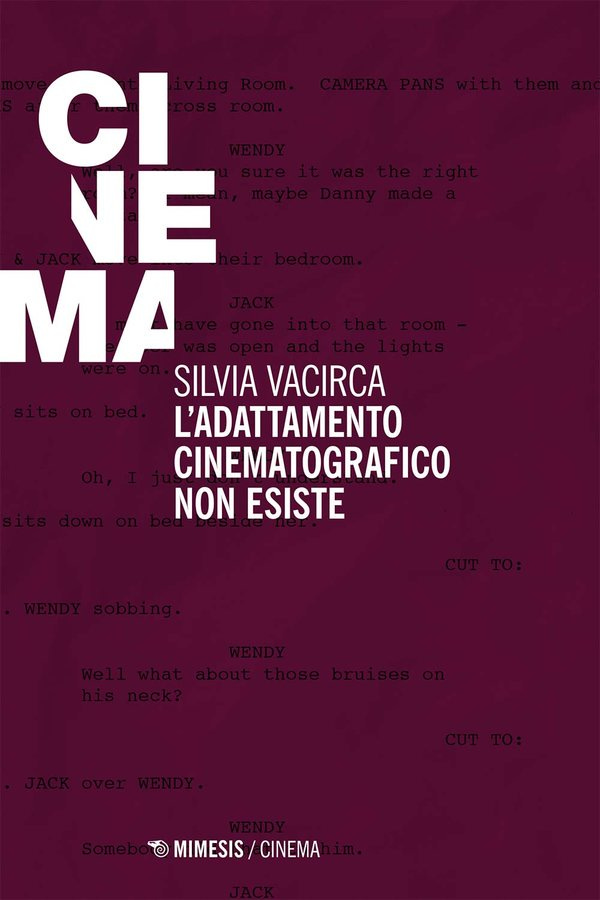
I partially agree with Vacirca’s position, although my personal conclusion is that we should speak of an “interpretation” rather than an “adaptation” of the source material, and that the concept of fidelity should therefore be subordinate to this definition.
In this moment of self-reflection, both Gerry Conway and Len Strazewski have passed away. I knew about Conway’s career as a writer for cartoons and TV shows, but I didn’t know about Strazewski’s academic career. It seems he was a much-loved professor. 73 and 71 years old. This July I turn 50. Life expectancy in Europe and Italy is higher than in the U.S., but—in the words of my cardiologist—my heart condition is very aggressive. Maybe I don’t have much time left and I’ll clock out in about 20 years? Well, nobody really knows. No point in thinking about it. Even if every now and then you think about your legacy (I’d like to use an Italian term, but nothing seems clearer to me than “legacy”), and I’ve long since calmly accepted that I’ll be forgotten even while I’m still alive. It’s not important.
Legacy: I thought about this after watching a reel by Mehdi Hasan reflecting on Chomsky’s legacy following the revelation of his ties to Epstein.
I thought about it when I read the news that a film based on/inspired by Tarantino’s (and Matt Wagner’s) comic book about the encounter/team-up between Django and Zorro is in production. And I think that Tarantino will never make that famous tenth film, and in the future there will be a distinction between the Tarantino of Hollywood’s Golden Age (1992–2019) and his nine films, and the “minor” Tarantino after leaving Hollywood, who devotes himself to non-fiction (Cinema Speculation, which is a fantastic book, and I stand by my opinon), screenwriting and film production (The Adventures of Cliff Booth, Django/Zorro), directing and screenwriting for TV series (the gangster miniseries he’s working on with Stallone), and playwriting (The Popinjay Cavalier, set to debut in London in 2027). It doesn’t matter.
Required reading: Making Art and Making a Living by Mason Curey. Testimonials on how contemporary artists have balanced creative work with financial sustenance.
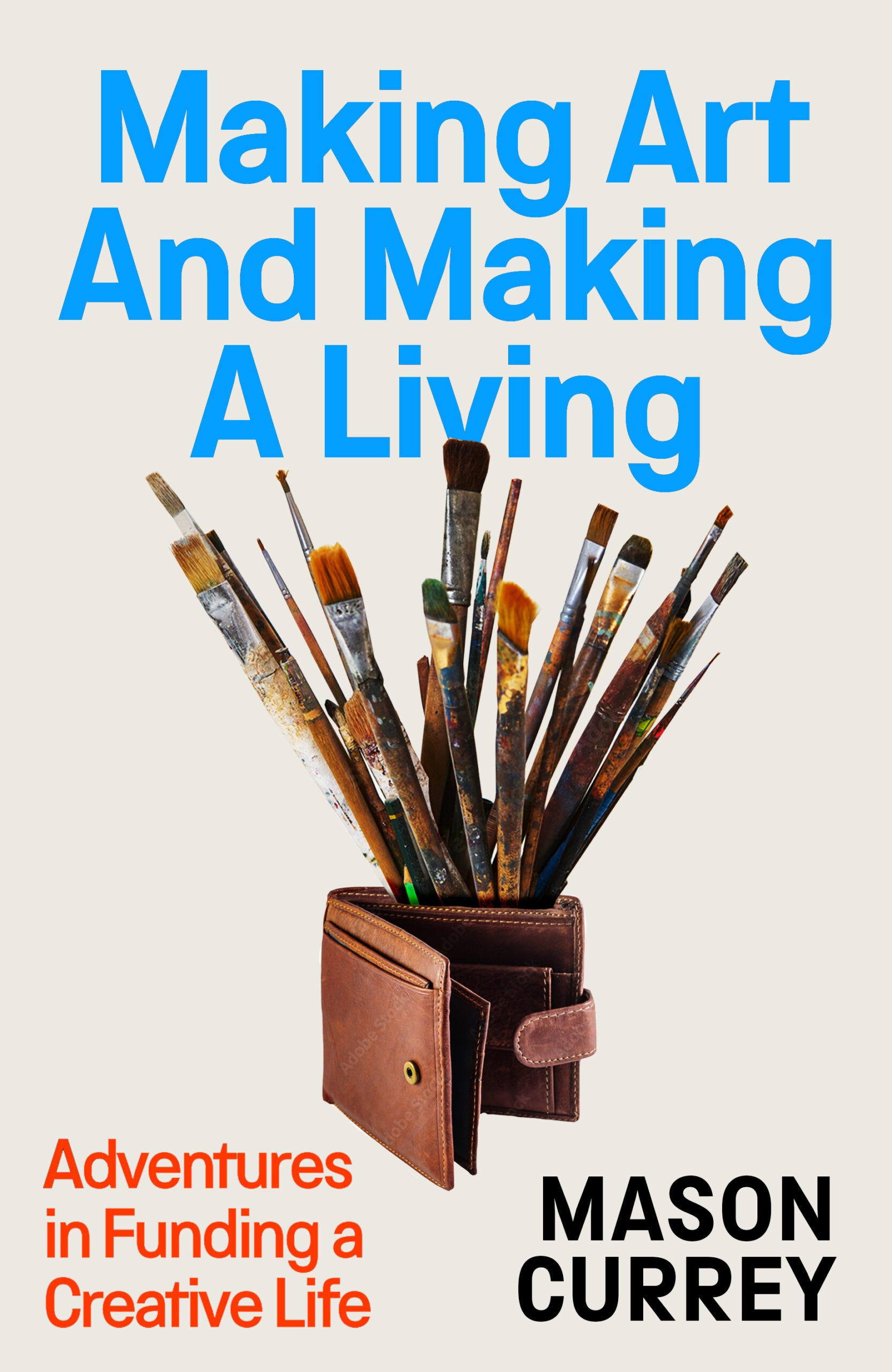
There’s a bit of everything: those lucky enough to have inherited money (and, like Fernando Pessoa, squandered it), those who scrounged money from family, those who were supported by wives, mothers, or siblings, those who did odd jobs, those who held perfectly ordinary jobs, those who stole, and those who appeared on TV game shows.
It’s a strangely comforting book. I’ve often told myself not to be too lenient when judging my own career. But perhaps we need to remind those of us trying to make a career in the creative world that it’s truly, truly very difficult and complicated, and we shouldn’t feel any less fulfilled if we can’t make a living from it, nor should we think that what we create is worth less just because it isn’t the only thing we do to put food on the table and pay the bills. In short, don’t make too many excuses for yourself, but a bit of realism—given how artists’ lives have always been, it seems—is just as necessary. At the same time, considering that I’ve been writing professionally (i.e., for pay) for 21 years, but have only been able to support myself entirely as a full-time writer for the past 4 years, after reading this book, I think that these 4 years alone are a miracle, and I’ve done much better than many authors who went down in history but who, through their writing, never, ever, ever managed to make a living. But let’s get back to what I was saying at the beginning of the newsletter: they’ve gone down in history; that won’t happen to me. But I don’t have time to think about it, because I’ve just finished a period of super-busy work and I desperately need to pitch new projects, or this fourth year as a freelancer will also be my last. It doesn’t matter.
X me ok che ci debbano essere opere positive x carità, però in un periodo storico come questo dove tutto sta andando in merda x colpa di quattro stronzi, non vengono fuori opere di "rottura"non vengono fuori robe che abbiano un minimo di incazzatura verso tutta sta merda, si preferisce il baffo di ted lasso o pupazzetti vari che sparano cazzate...
È cosi che vincono le merde...
Cazzo i livelli si serotonina/dopamina quando tornano normali mi danno una botta di highness notevole...
L’ho ordinato proprio qualche giorno fa, il libro di Currey! 🤩